Sundarbans National Park
Overview
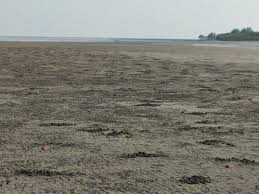
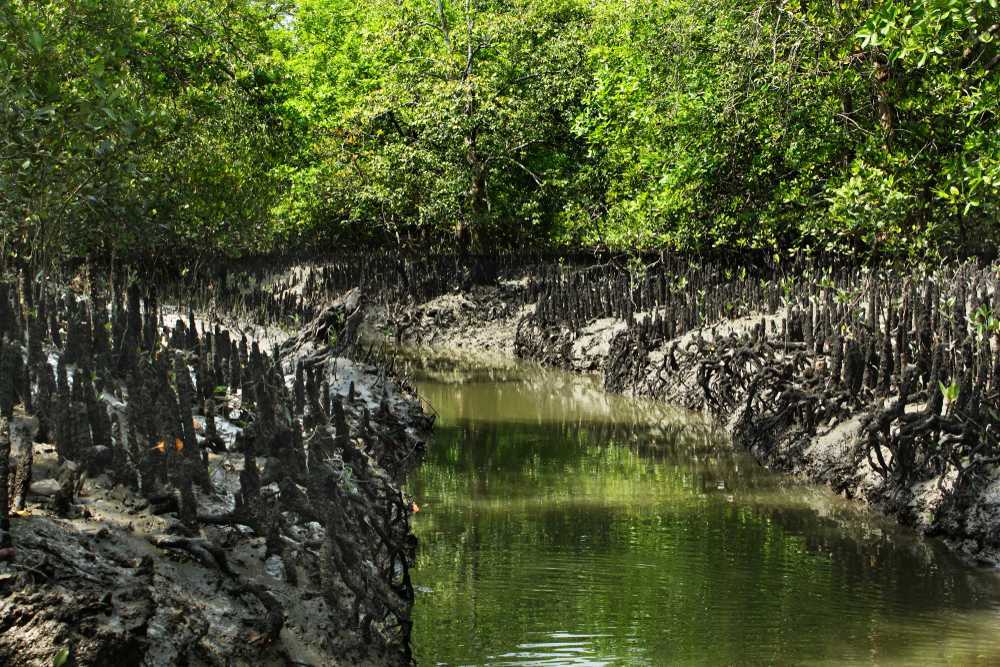
The Sundarbans, a UNESCO World Heritage Site, is a sprawling and enigmatic mangrove forest system that straddles the delta formed by the confluence of the Ganges, Brahmaputra, and Meghna Rivers in the Bay of Bengal. Shared between India and Bangladesh, the Indian part forms the Sundarban National Park, a biosphere reserve and a critical ecological hotspot. It's the largest single block of tidal halophytic mangrove forest in the world, characterized by its unique ecosystem where land and water merge seamlessly, and trees thrive in saltwater conditions. This complex labyrinth of tidal waterways, mudflats, and small islands is an awe-inspiring natural wonder, showcasing an incredible adaptation of life to a harsh environment.
Wildlife & Eco-Adventure
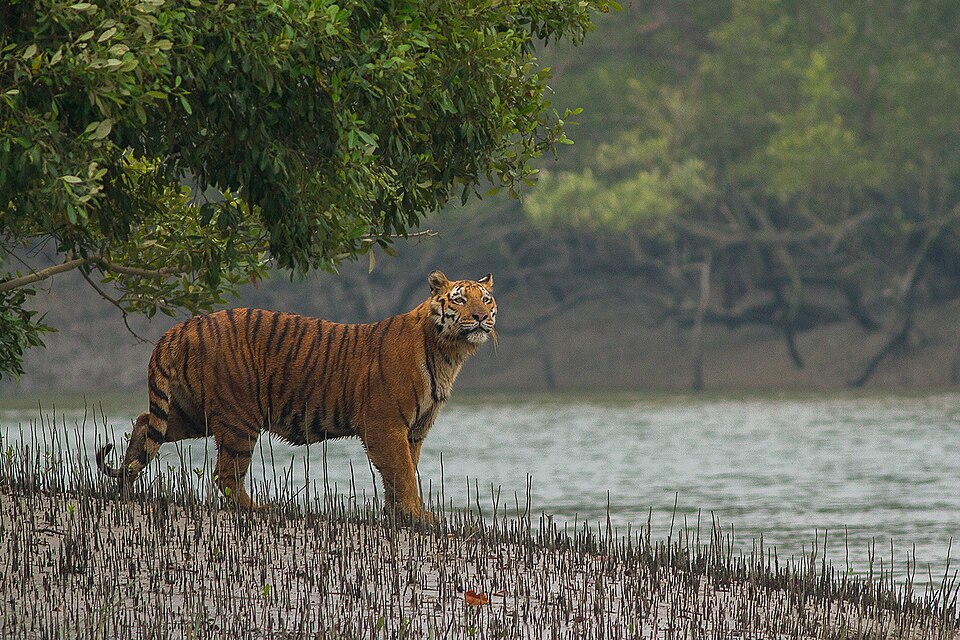
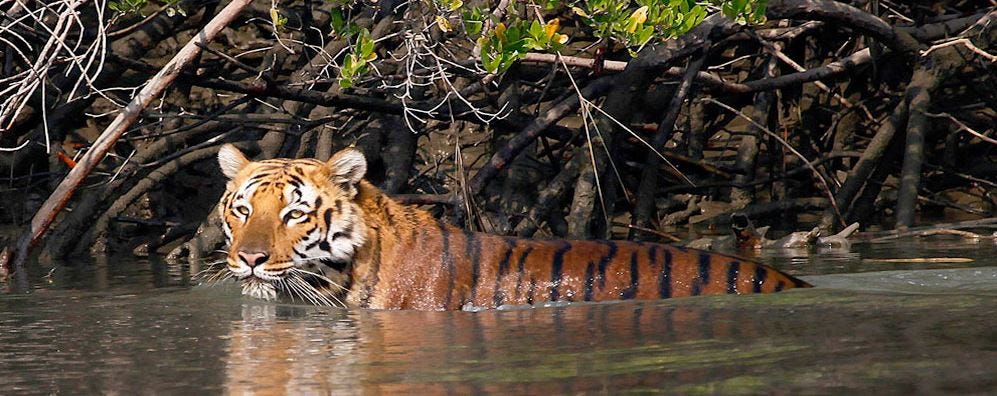
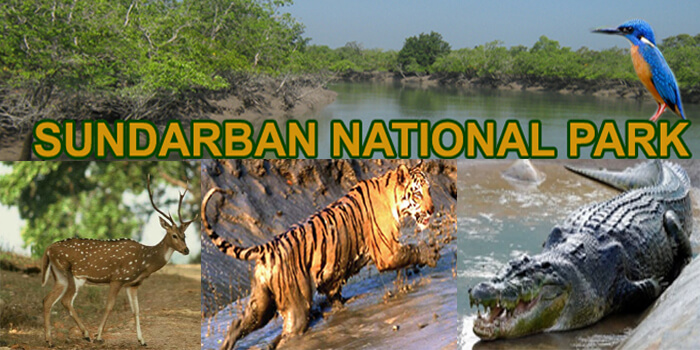
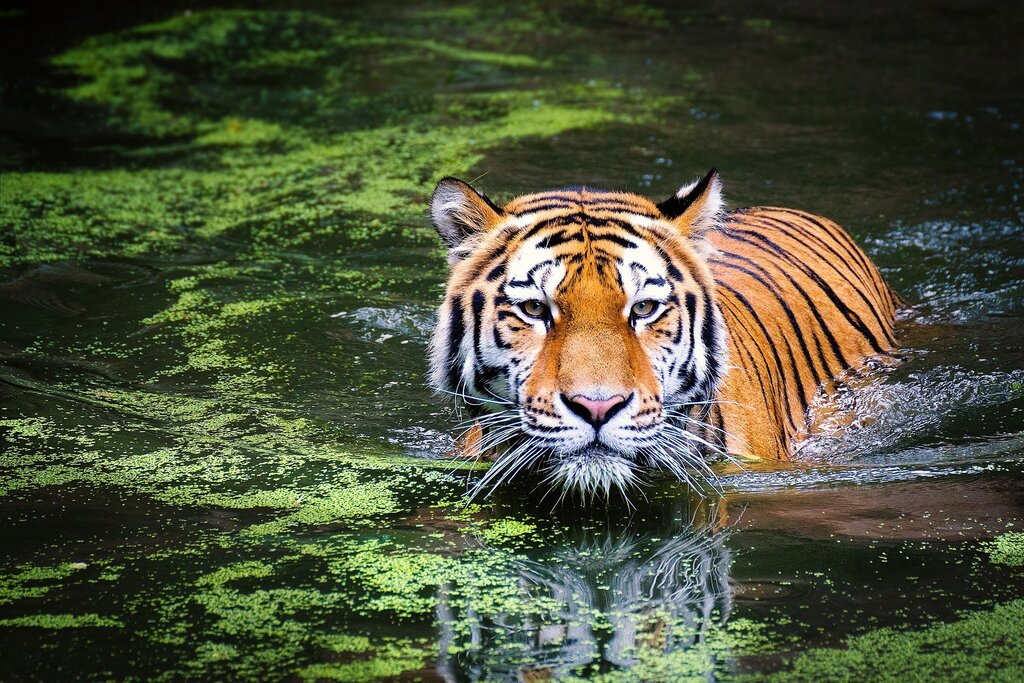
The Sundarbans is globally renowned as the only mangrove habitat for the iconic Royal Bengal Tiger. While sightings are incredibly rare and require immense luck, the thrill of knowing these magnificent creatures roam the dense mangrove thickets is a powerful draw. Beyond the tiger, the Sundarbans teems with diverse wildlife, making it a paradise for nature enthusiasts. It is home to the formidable saltwater crocodile, monitor lizards, various species of deer (most notably the Chital or Spotted Deer), wild boars, civet cats, and an astonishing variety of avian life, including kingfishers, eagles, and various migratory birds. Boat safaris are the only way to explore the Sundarbans, navigating through its narrow creeks and waterways. These safaris offer a profound sense of wilderness, where the silence is broken only by the sounds of birds, the ripple of water, or the distant call of a wild animal. Watchtowers like Sajnekhali, Sudhanyakhali, and Dobanki provide elevated platforms for observing wildlife.
Getting There
Reaching the core areas of the Sundarbans National Park is only possible by boat, with journeys typically beginning from key ports in the South 24 Parganas district of West Bengal.
Primary Starting Points:
- Godkhali Port – The most popular and well-connected point for entering the Sundarbans.
- Sonakhali, Basanti, and Canning – Other embarkation options, though less frequented.
From Kolkata:
By Road
- Distance: Godkhali is about 100–120 km from Kolkata.
- Travel Time: Approximately 3–4 hours by car or bus.
- Many tour operators provide direct transportation from Kolkata to Godkhali as part of tour packages.
By Rail
- Nearest Station: Canning Railway Station (approx. 45–50 km from Godkhali).
- Regular local trains operate from Sealdah (Kolkata) to Canning.
- From Canning, shared autos or private vehicles can be hired to reach Godkhali.
By Air
- Nearest Airport: Netaji Subhas Chandra Bose International Airport (CCU), Kolkata.
- From the airport, continue by road or rail to reach the embarkation points.
Tour Packages (Highly Recommended)
Given the complex terrain and restricted entry zones of the Sundarbans, booking an organized tour package is strongly advised. These packages generally include:
- Transportation from Kolkata to Godkhali
- Boat safaris into the mangrove forests
- Mandatory forest permits and authorized guide services
- Accommodation in eco-resorts or houseboats
- All meals during the tour
This ensures a safe, comfortable, and enriching experience in one of India’s most ecologically significant and remote national parks.
Visitor Reviews
Unforgettable Wilderness Adventure! by Rina Das
The Sundarbans is a truly unique experience. Navigating through the narrow creeks surrounded by dense mangroves was absolutely mesmerizing. While we didn't see a tiger, the thrill of being in their habitat, spotting crocodiles and deer, and enjoying the incredible birdlife was enough. It's a raw, untouched wilderness that leaves you in awe. Our guide was excellent! Smile
Visited in August 2024 with friends