
Tusu Festival
Overview
Tusu Festival is observed during the winter season, culminating on the last day of the Bengali month of Poush, which coincides with Makar Sankranti (usually January 14th or 15th). It is deeply intertwined with agricultural traditions, marking the end of the paddy harvest season. While there's no singular documented history, it's rooted in ancient agrarian beliefs and folk traditions, expressing gratitude for a bountiful harvest and invoking blessings for prosperity in the coming year. It's often associated with a folk deity or a young, chaste virgin girl named Tusu. Unlike many Hindu festivals with elaborate priestly rituals, Tusu is largely a household and community-based celebration, especially by unmarried girls and women, making it a unique expression of rural culture and femininity.
Traditions & Celebrations
The preparations for Tusu begin weeks, sometimes even a month, before Makar Sankranti. The festival is characterized by several key traditions:
Tusu Idols and Decorations
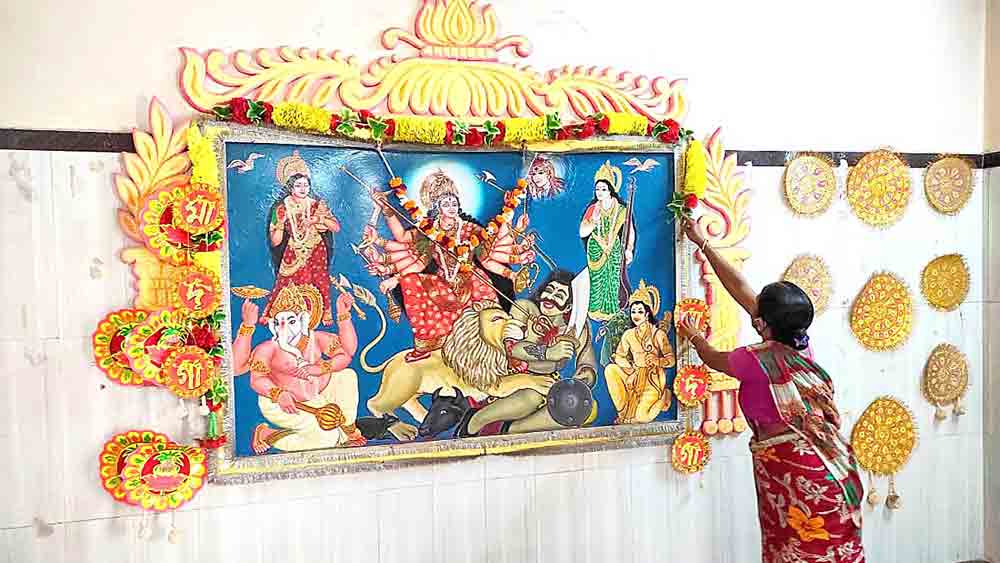
Young, unmarried girls are central to the celebrations. They traditionally craft small, often simple, idols or images of "Tusu Devi" using clay, wood, or even just painted alpana (rice paste art) on the floor. These idols are beautifully adorned with colorful papers, fabrics, flowers, and sometimes even intricate jewelry.
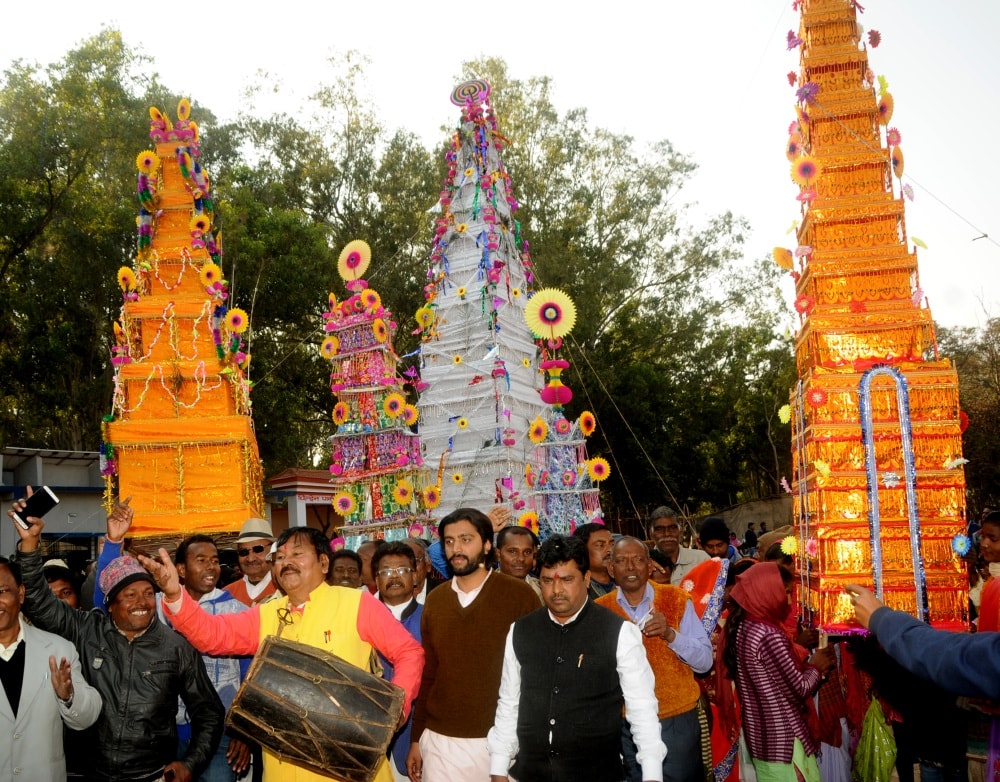
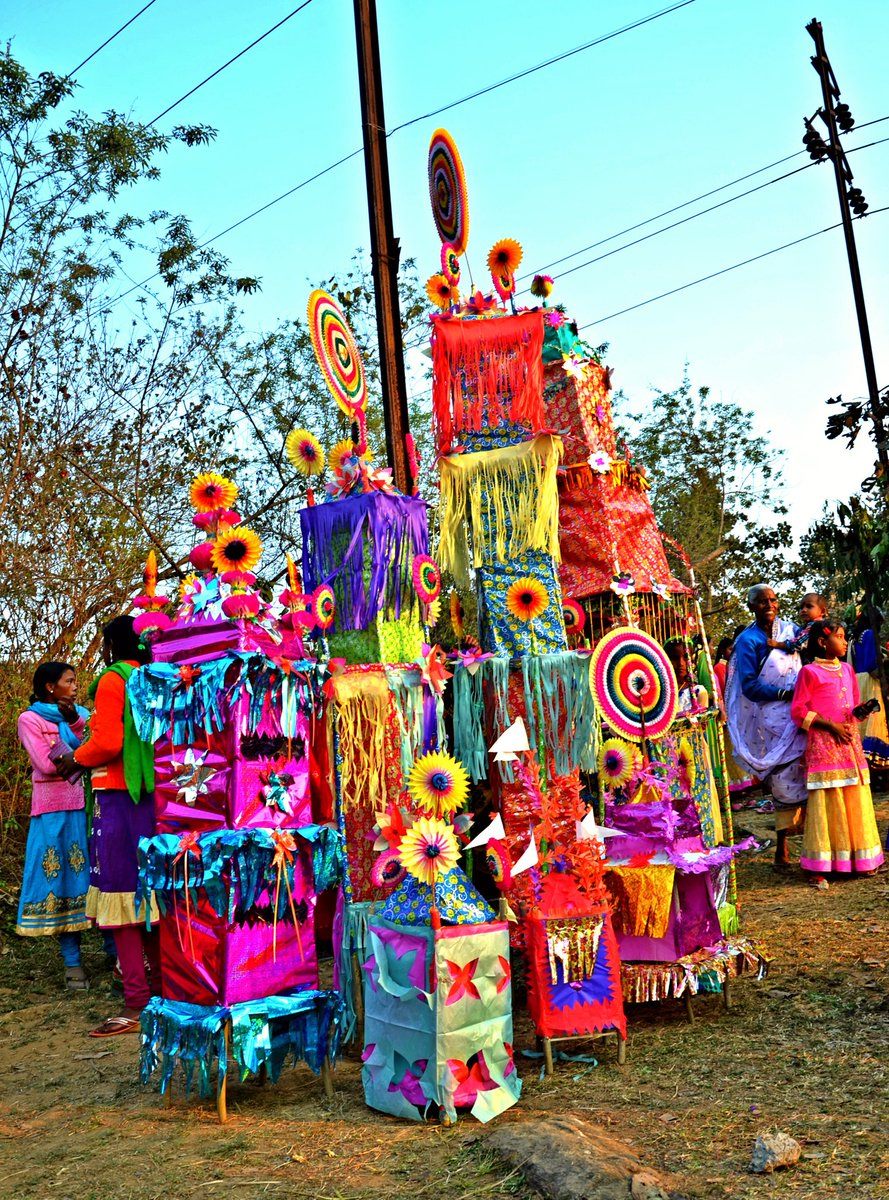
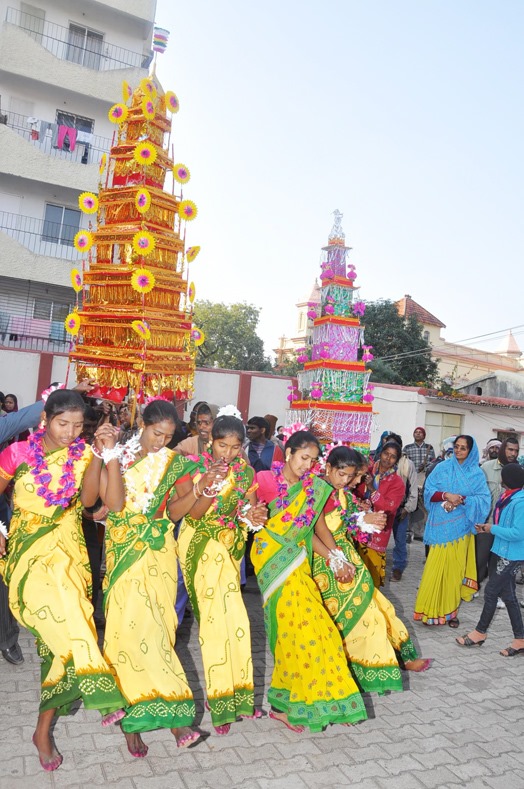
In some regions like Purulia, the focus is on a Chaudal – a rectangular, often multi-tiered, shrine-like structure made of bamboo and decorated elaborately with colored paper, glitter, and sometimes small idols. This 'Chaudal' becomes the central focus of the rituals. In other parts like Bankura, Tusu might be worshipped in round terracotta pots surrounded by lamps.
Tusu Songs (Tusu Gaan)
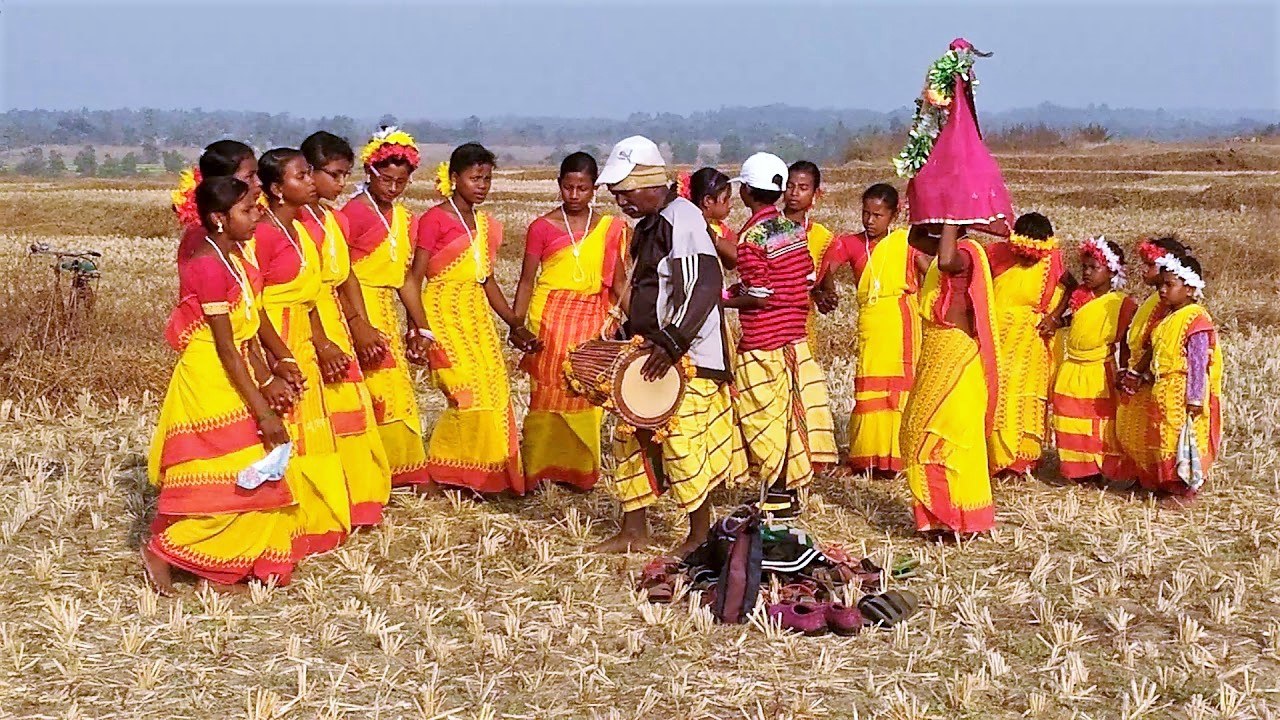
The heart and soul of the Tusu Festival are the captivating folk songs, known as Tusu Gaan. These soulful melodies are sung predominantly by women and young girls in groups. The songs are spontaneous, often reflecting daily life, social issues, love, humor, and mythological tales. They are sung almost every evening leading up to Makar Sankranti, during the worship of the Tusu idol or Chaudal.
In West Bengal, particularly, Tusu songs are often sung a cappella, without instrumental accompaniment, highlighting their unique vocal tradition. These songs create a strong sense of community bonding and collective expression.
Offerings and Worship
Daily offerings, primarily simple and agrarian in nature, are made to Tusu. These typically include newly harvested rice, fresh vegetables, sweets made from jaggery, and traditional rice cakes (pithas). The worship is performed by the household women, without the need for a Brahmin priest.
Immersion (Visarjan)
The culmination of the festival occurs on Makar Sankranti. Early in the morning, the Tusu idols or Chaudals are taken in lively processions to a nearby river, pond, or any water body. The processions are accompanied by joyous singing of Tusu Gaan, dancing, and traditional music from instruments like dhamsa and madal. The idols are then immersed in the water, signifying Tusu's return to her celestial abode or the return of the harvest's blessing to the earth. This immersion often carries a melancholic note, as the festival comes to an end.
Rural Fairs (Tusu Mela)
Large rural fairs are organized in many places, especially in Purulia and Bankura, coinciding with the Tusu Festival. These fairs are vibrant centers of cultural exchange, featuring traditional dance performances (like Chhau dance in Purulia), folk music, local handicrafts, food stalls, and sometimes even traditional events like cockfighting (though this practice is debated and increasingly discouraged).
Significance
The Tusu Festival holds multifaceted significance:
- Harvest Celebration: Primarily, it's a profound expression of gratitude for a bountiful harvest, a central theme for the predominantly agrarian communities of the region.
- Celebration of Womanhood: Tusu is largely a women-centric festival, empowering young girls and women to lead rituals, compose songs, and express themselves creatively. It celebrates femininity, purity, and domestic well-being.
- Community Bonding: The collective singing, dancing, and shared rituals foster strong bonds within villages and communities, strengthening social ties.
- Cultural Preservation: Tusu acts as a vital conduit for preserving indigenous folk traditions, oral histories, and unique musical forms that might otherwise be lost.
- New Beginnings: Coinciding with Makar Sankranti, it also symbolizes the end of the old agricultural cycle and the dawn of a new one, ushering in hope and prosperity for the coming year.
Visitor Reviews
No reviews yet. Be the first to review!