Buddha Jayanti
Overview
When: April–May (full moon day)
What: A solemn celebration of Lord Buddha’s birth, enlightenment, and death. Monasteries host prayers, processions, and the display of sacred scriptures.
Where: Peace Pagoda, Yiga Choeling (Ghoom Monastery)
Details
Buddha Jayanti: A Celebration of Love of Compassion Buddha Jayanti or Vesak is the most important of festivals of the Buddhists all over the world. It is celebrated on the Full Moon Day of May (Vaisakh) and is celebrated as the thrice blessed day as all the important events in the life of Lord Buddha — His birth in Lumbini, His attainment of Enlightenment in Buddhagaya and entering into Mahaparinirvana in Kusinagar took place on this eventful day. The General Assembly of the United Nations (UNO), by its resolution 54/115 of 1999 recognized internationally the Day of Vesak to acknowledge the contribution that Buddhism, one of the oldest religions in the world, has made for over two and a half millennia and continues to make to the spirituality of humanity. This day is commemorated annually at the UN Headquarters and other UN offices, in consultation with the relevant UN offices and with permanent missions, which also wish to be consulted. Buddha Jayanti – the dates The exact date of Vesak varies according to the lunar calendars used in different traditions. In the countries that follow the Theravada tradition following the Buddhist calendar, it falls on the full moon day of vaisakh or May which typically falls o the 5th or 6th lunar month. The date varies from year to year in the western Gregorian calendar but falls in April or May. In China it is the 4th month of the Chinese lunar calendar coinciding with the first full moon of that month. The word Vesak itself is the Sinhalese language word for the Pali variation Vesakha. Vesak is also known as Buddha Jayanti or Buddha Purnima in India, Bangladesh and Nepal, Hanamatsuri in Japan, Seokka Tanshin-il in Korea, Fo Dan in Mandarin or Fat Daahn in Cantonese in Chinese speaking areas, Phat Dan in Vietnamese, Saga Dawa (sa ga zla ba) in Tibetan, Vesak Bochea in Cambodia, Visakha Bucha or Visakha Puja in Thailand, Waisak in Indonesia, Vesak or Wesak in Sri Lanka, Hari Wesak in Malaysia, Voxakha Bouxa in Laos and Kasone la Pyae in Myanmar. The celebrations On this occasion in many Viharas a small image of the baby Buddha is displayed in front of the altar in a small basin filled with water and decorated with flowers, allowing devotees to pour water over the statue, depicting a symbolic event when the devas and spirits made heavenly offerings to him. This is a day of great religious and spiritual significance for the followers and practitioners of Buddha and His teachings as on this day they go to the Viharas/Temples/Monasteries and take part in the prayers and meditation and listen to discourses. They observe sila (moral vows) and practice meditation (samadhi), make offerings (dana) to the Bhikkhu Sangha. People decorate the Viharas and their homes which gives a festive look on the occasion. Buddhists distribute food, medicines, fruits, milk, biscuits, breads and nourishments to the patients in the hospitals, orphanages, old age homes and juvenile homes. They make special effort to bring smile and happiness to the unfortunate, the old and the infirm and the sick and the needy. Monks recite/chant the sutta/sutras uttered by the Buddha himself 2600 years ago to invoke peace and happiness, love and compassion, unity and brotherhood, well being and prosperity for the individual, society, country and government. Buddhists are reminded of their role and responsibility to live in harmony with people of other faiths and to respect the beliefs of other people as the Buddha had Himself taught.
A Day of Peace – Experiencing Buddha Jayanti in Darjeeling
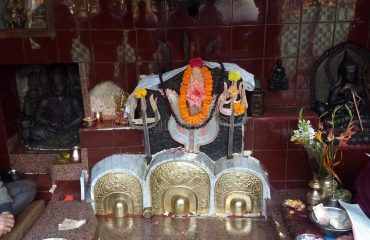
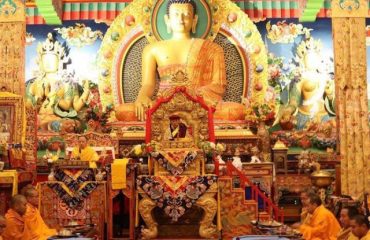
Morning: Spiritual Beginnings.Start the day early by visiting the Peace Pagoda on Jalapahar Hill. Participate in morning chants and admire the golden Buddha statues.Head to Yiga Choeling Monastery (Ghoom Monastery)—one of the oldest in Darjeeling—for special Buddha Jayanti prayers and rituals.Monks often display ancient Buddhist scriptures and relics for public viewing during this sacred occasion.
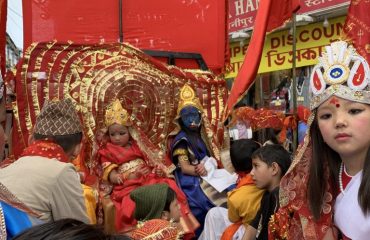
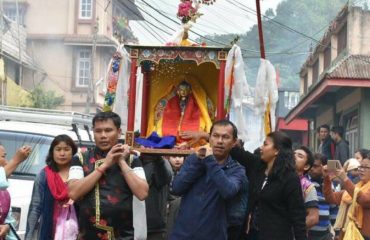
Midday: Processions and Offerings.Witness or join the Buddha Jayanti procession, which includes prayer flags, religious songs, and devotees in traditional attire.Offer flowers, candles, and incense at the Bhutia Basti Monastery and interact with the local Buddhist community to learn about the significance of the day.Enjoy a vegetarian meal at a local monastery or community kitchen set up for devotees and visitors.
Afternoon: Meditation and Reflection.Attend a guided meditation session or Buddhist teachings organized by monks at monasteries like Dali Monastery.Take a peaceful walk through the monastery gardens or sit in silent reflection amid prayer wheels and fluttering flags.
Evening: Illuminated Serenity.Return to the Peace Pagoda or any nearby monastery to witness the lighting of butter lamps at dusk.End the day by joining the evening prayer ceremony, where chants fill the cool mountain air, creating an atmosphere of profound tranquility and unity.
Visitor Reviews
No reviews yet. Be the first to review!