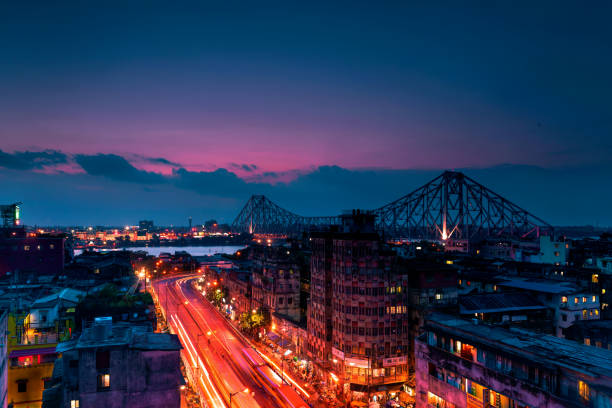
Kolkata, formerly known as Calcutta until 2001, stands as the capital city of West Bengal and holds a significant place in India's history and culture. Situated on the eastern bank of the Hooghly River, approximately 154 kilometers upstream from the Bay of Bengal, it is one of India's largest metropolises and a crucial hub for trade, commerce, and culture. The city's strategic location has made it a witness to numerous political and social movements, profoundly shaping its identity.
Kolkata's history dates back centuries, with archaeological evidence suggesting habitation for over two millennia. However, its documented history began with the arrival of the British East India Company in 1690. The city grew from three villages – Sutanuti, Gobindapur, and Kalikata – and became the capital of British India in 1772, a position it held until 1911 when the capital shifted to Delhi.
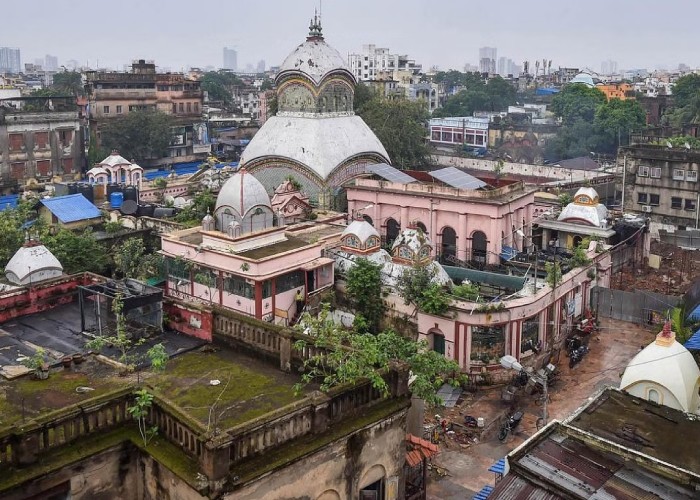
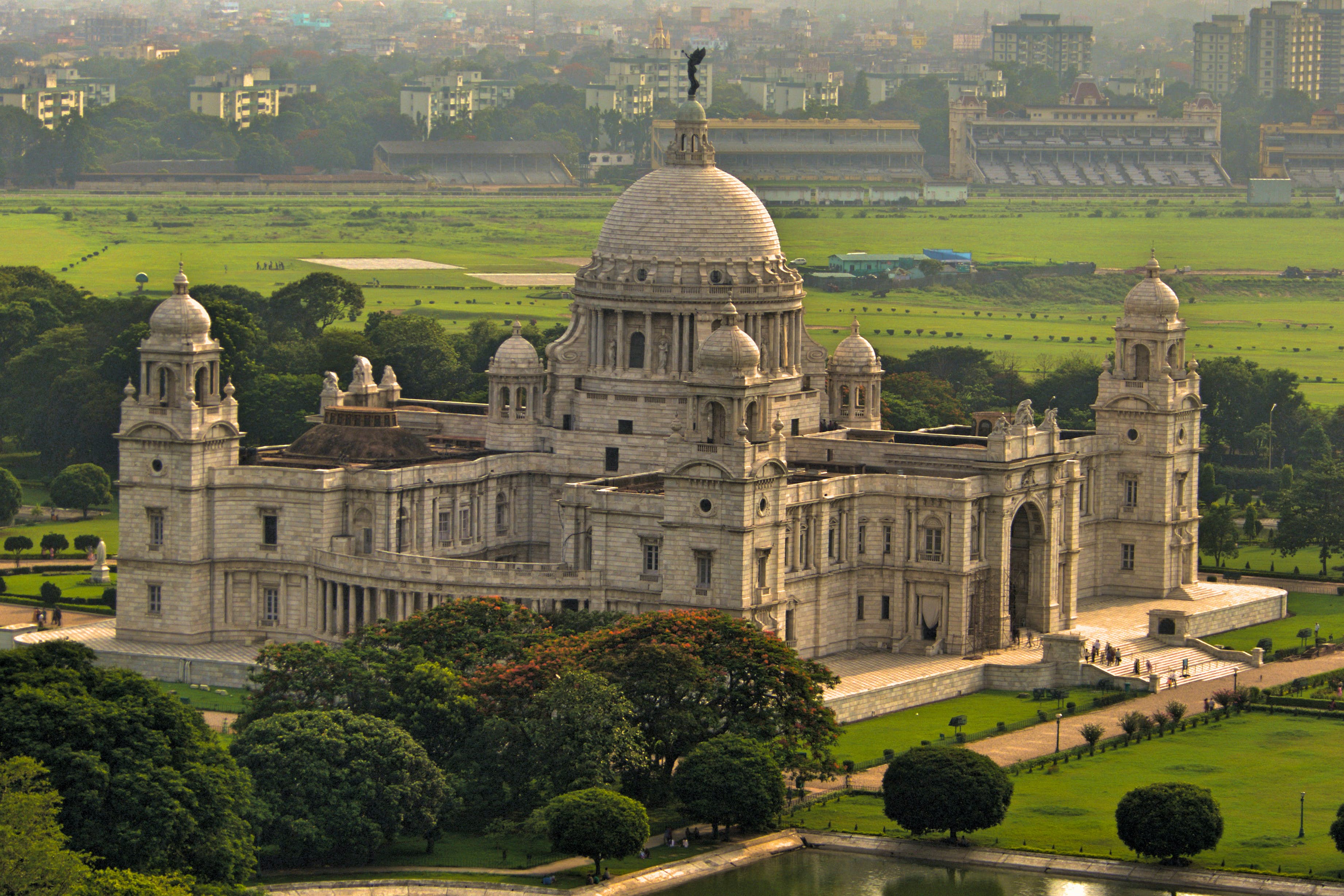
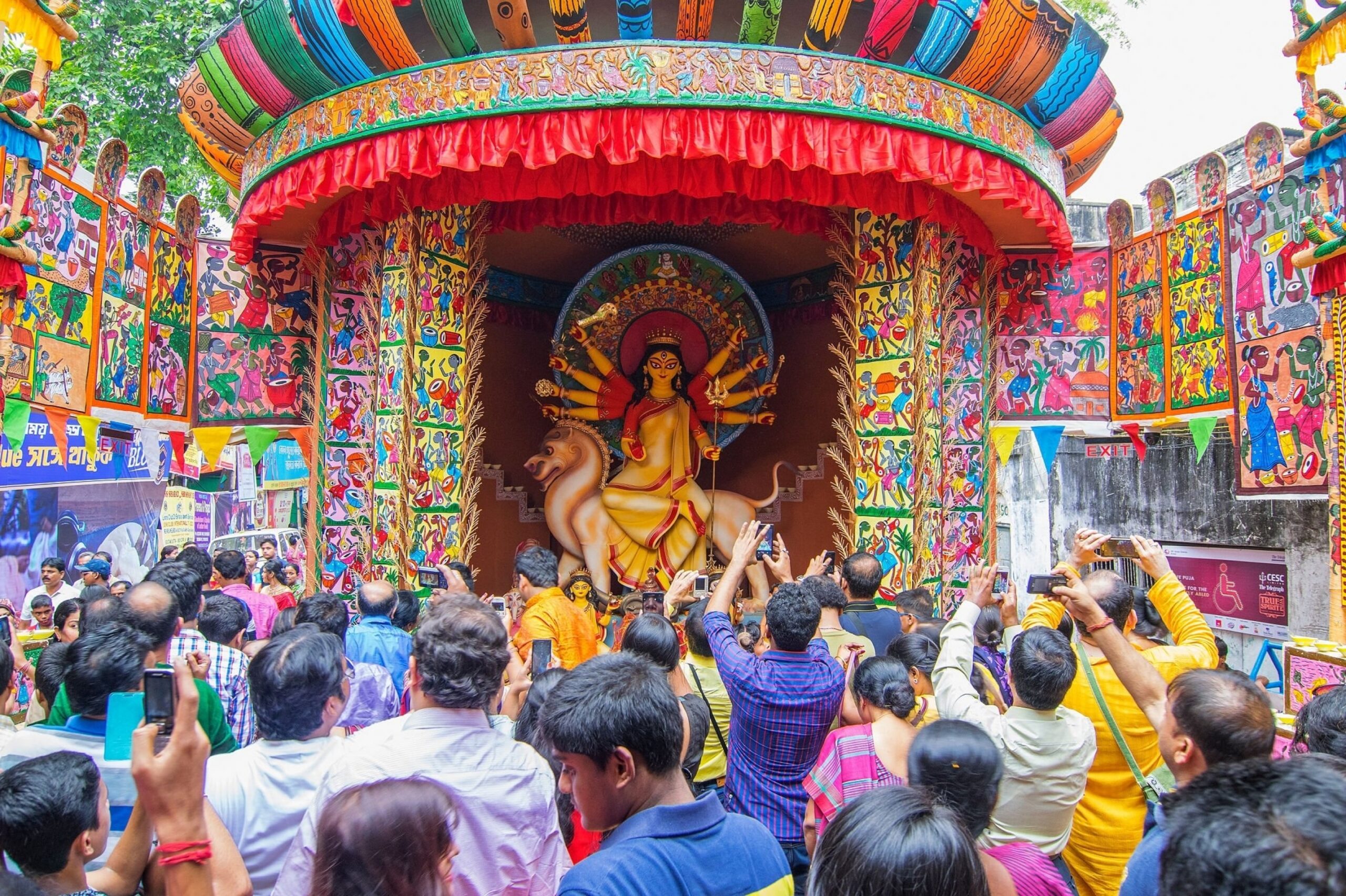
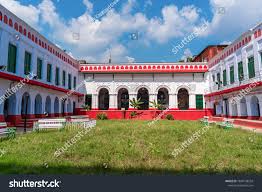
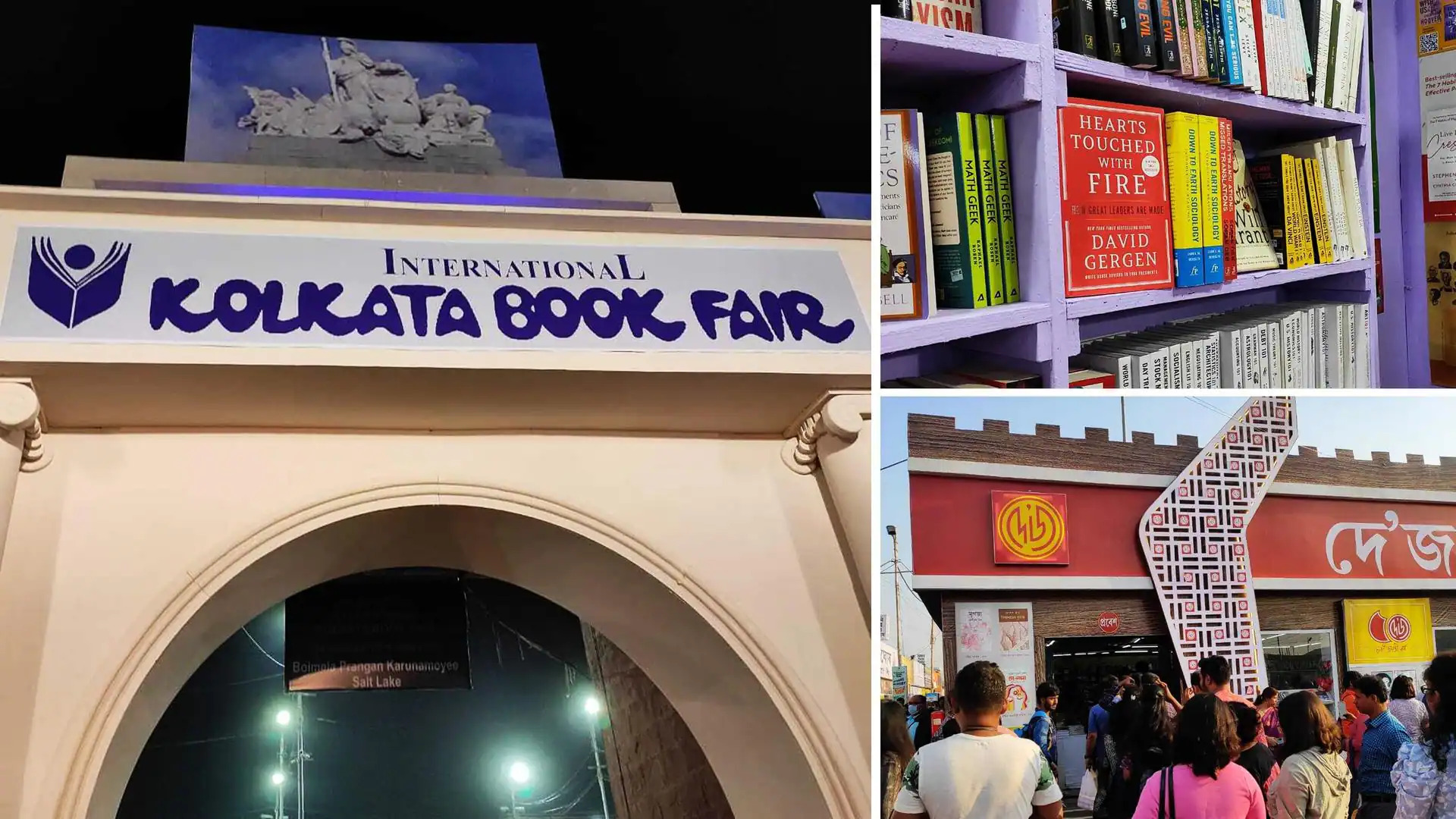
This colonial past has left an indelible mark on the city's architecture, with numerous heritage structures standing alongside modern developments. Known as the "Cultural Capital of India," Kolkata has been the birthplace of modern Indian literary and artistic thought, as well as Indian nationalism. The city has nurtured luminaries such as Rabindranath Tagore, the first Asian Nobel laureate in Literature, whose works continue to enrich its cultural life. Kolkata remains a vibrant center for literature, arts, theater, music, and cinema, blending Eastern and Western influences. The numerous museums, art galleries, and cultural institutions underscore its commitment to preserving and promoting the arts. Festivals, particularly Durga Puja, are celebrated with immense fervor, transforming the city into a dazzling spectacle of art and devotion.
Economically, Kolkata has a diverse base encompassing manufacturing, information technology, finance, trade, and tourism. While historically known for industries like jute processing and engineering, the city is evolving into a modern economic hub with a focus on services and technology. Its role as a major port has facilitated trade, and it continues to be a significant commercial center in eastern India. Kolkata is also a major educational and healthcare hub, attracting students and patients from across the region. Despite the challenges of urbanization, Kolkata remains a compelling city, a unique blend of historical charm and contemporary dynamism.
Things to do
Dive into the heart of West Bengal with our curated list of experiences! From thrilling escapades to tranquil retreats, discover the must-do activities that will make your journey unforgettable.
Celebrate with the Locals
Immerse yourself in the vibrant tapestry of West Bengal’s festivals! Experience the joyous traditions, captivating rituals, and infectious energy that paint the region in a kaleidoscope of colors.
Unearthing Local Treasures
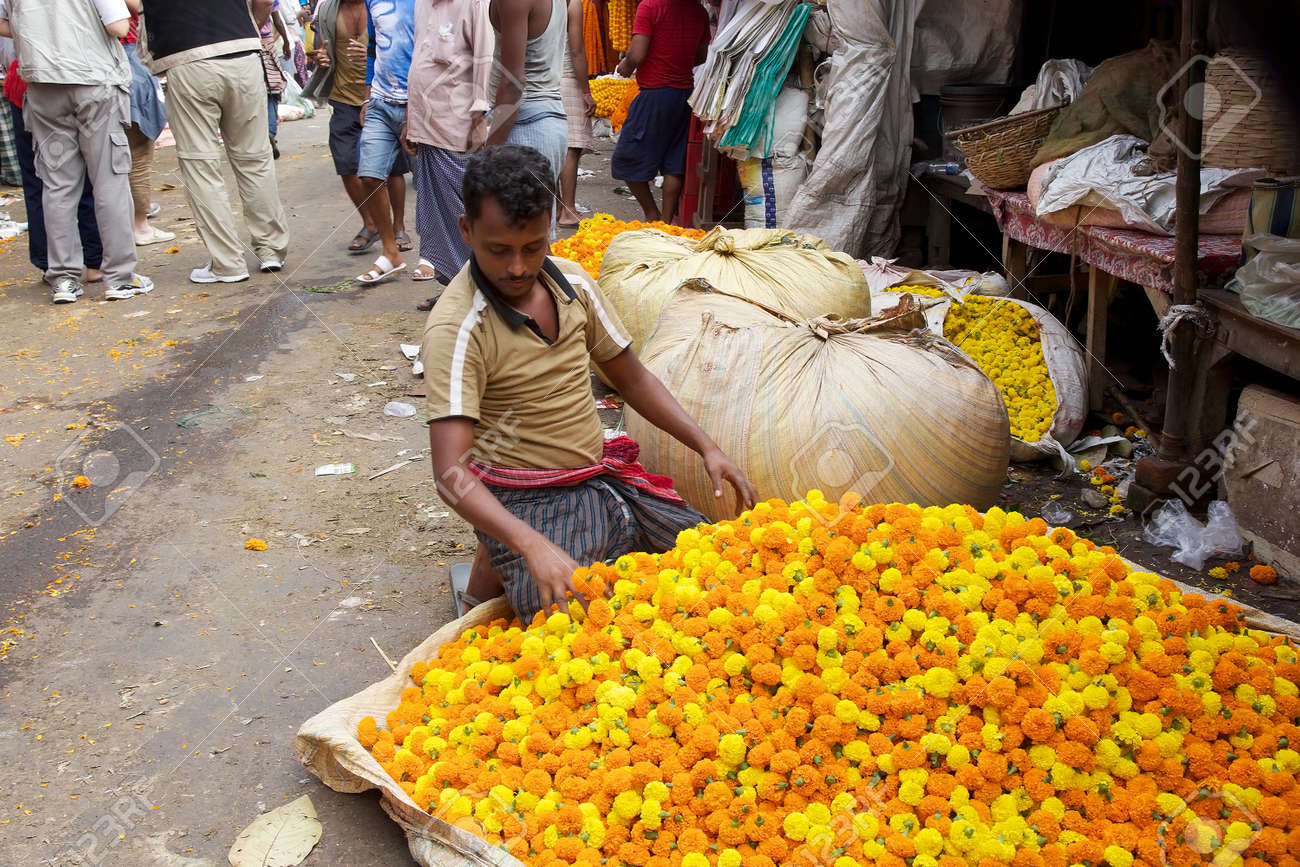
Explore the bustling heart of West Bengal’s local markets! Discover unique handicrafts, savor regional flavors, and witness the vibrant pulse of everyday life in these treasure troves.
Cultural Sights
Immerse yourself in the vibrant cultural landscape of West Bengal! Explore artistic hubs, heritage sites, and living traditions that showcase the region’s rich and diverse identity.