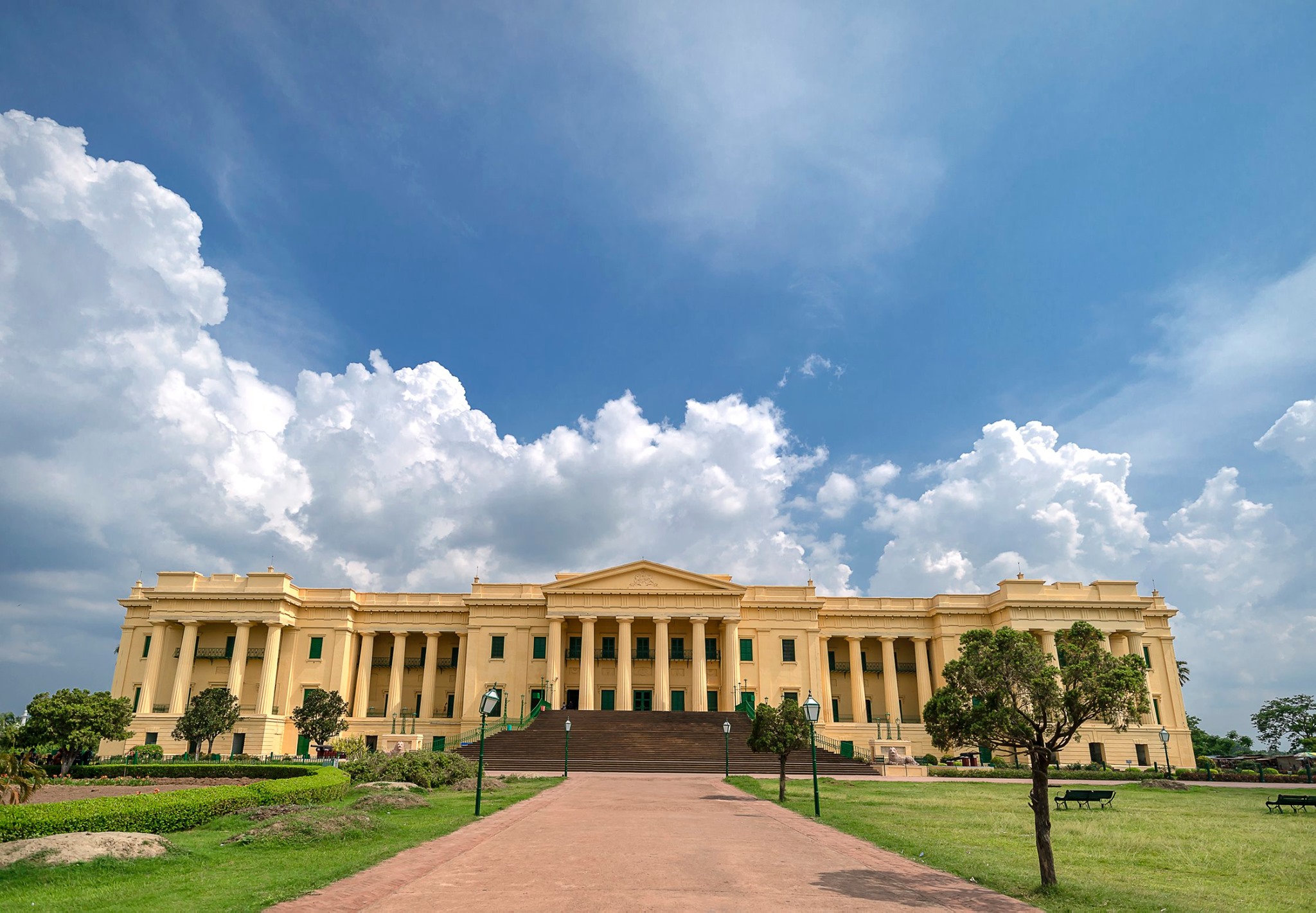
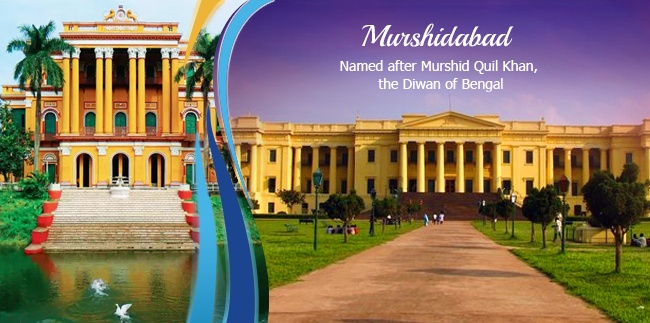
Murshidabad, a district steeped in history and culture, is located on the left bank of the Bhagirathi River in West Bengal. Once the capital of Bengal during the rule of the Nawabs in the 18th century, it holds immense significance in Indian history, particularly as the place from where the British East India Company began to exert its dominance after the Battle of Plassey in 1757. The city and the district are named after Nawab Murshid Quli Khan, who shifted the capital from Dhaka to here in the early 18th century, then known as Muksudabad.
The landscape of Murshidabad is predominantly fertile, thanks to its location along the Ganges and its distributaries. Agriculture forms the backbone of the economy, with rice, jute, legumes, and mangoes being the primary crops. The district is also known for its sericulture and the production of high-quality silk. Historically, Murshidabad was a significant center for trade and commerce, attracting European companies like the British, French, and Dutch, who established factories in the region. Even today, the remnants of this prosperous past are visible in the numerous historical sites scattered across the district.
Culturally, Murshidabad is a vibrant blend of traditions. It is known for its exquisite handicrafts, including ivory carving, gold and silver embroidery, and silk weaving. The district has a rich folk culture, with traditions like Baul-Fakir songs, Mangal Kavyas, and unique dance forms such as Raibneshe and Ghora Naach. Several historical monuments stand as testaments to its past glory, including the Hazarduari Palace (a palace with a thousand doors), the Katra Masjid, the Nizamat Imambara, and the Motijhil (Pearl Lake). These sites attract tourists interested in history and architecture, offering a glimpse into the opulence and power of the Nawabs of Bengal.
Historical Places
Step back in time and explore the rich historical tapestry of West Bengal! Discover majestic palaces, ancient ruins, and colonial-era landmarks that whisper tales of bygone eras.