Hooghly, a significant district in the Indian state of West Bengal, is situated on the banks of the Hooghly River, which forms its eastern boundary. The district is characterized by its predominantly flat terrain, with no elevation exceeding 200 meters. It shares borders with Nadia to the east, Purba Bardhaman to the north, Bankura to the west, and Howrah to the south, covering a total geographical area of 3149 square kilometers. Historically, Hooghly has been a vital trading port due to its strategic riverine location, attracting various European powers, including the Portuguese, Dutch, French, Danes, and English, who established trading posts and settlements. This rich past has left a lasting cultural and architectural imprint, evident in places like Chandannagar, which was under French rule until 1950, and Chinsurah and Serampore, controlled by the Dutch and Danes, respectively, for extended periods. The district of Hooghly was officially formed in 1795, with its headquarters initially in the city of Hooghly before shifting to Chinsurah.
The economy of Hooghly district is a dynamic blend of agriculture and industry. It stands as a major center for the jute industry, hosting a substantial percentage of India's jute mills, a legacy that began with the establishment of the country's first jute mill here. Beyond jute, the district also has a significant presence of textile, heavy engineering, paper, chemical, leather, and IT industries, with increasing interest from multinational companies in setting up operations. Despite this industrialization, a considerable portion of the district remains dedicated to agricultural activities, contributing to its diverse economic landscape. According to the 2011 Census, Hooghly has a population of 5,519,145, with a sex ratio of 961 females per 1000 males, which is higher than the national average. The district also boasts a high literacy rate of 81.8%, surpassing the national average. Urbanization is also a notable feature, with 38.57% of the population residing in urban areas, while 61.43% live in rural settings.
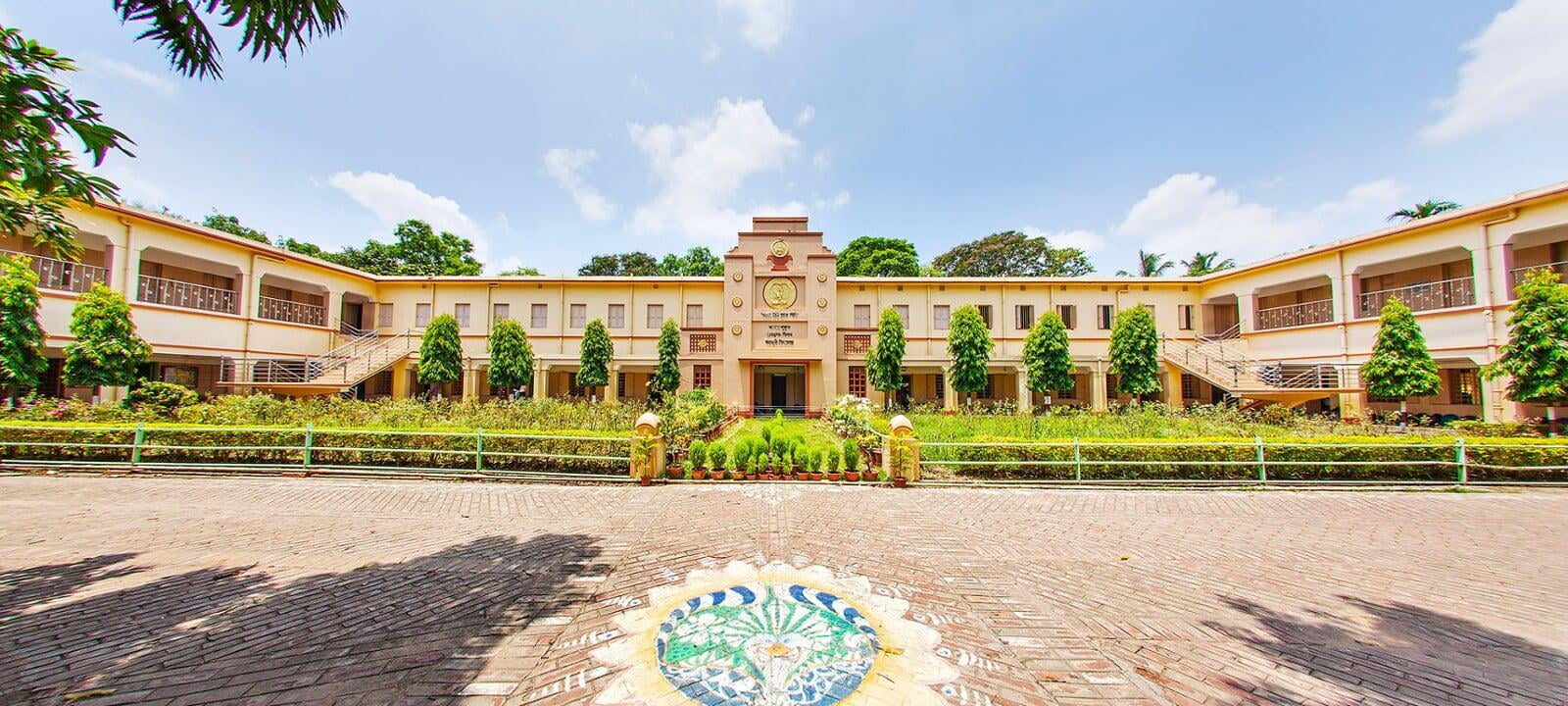
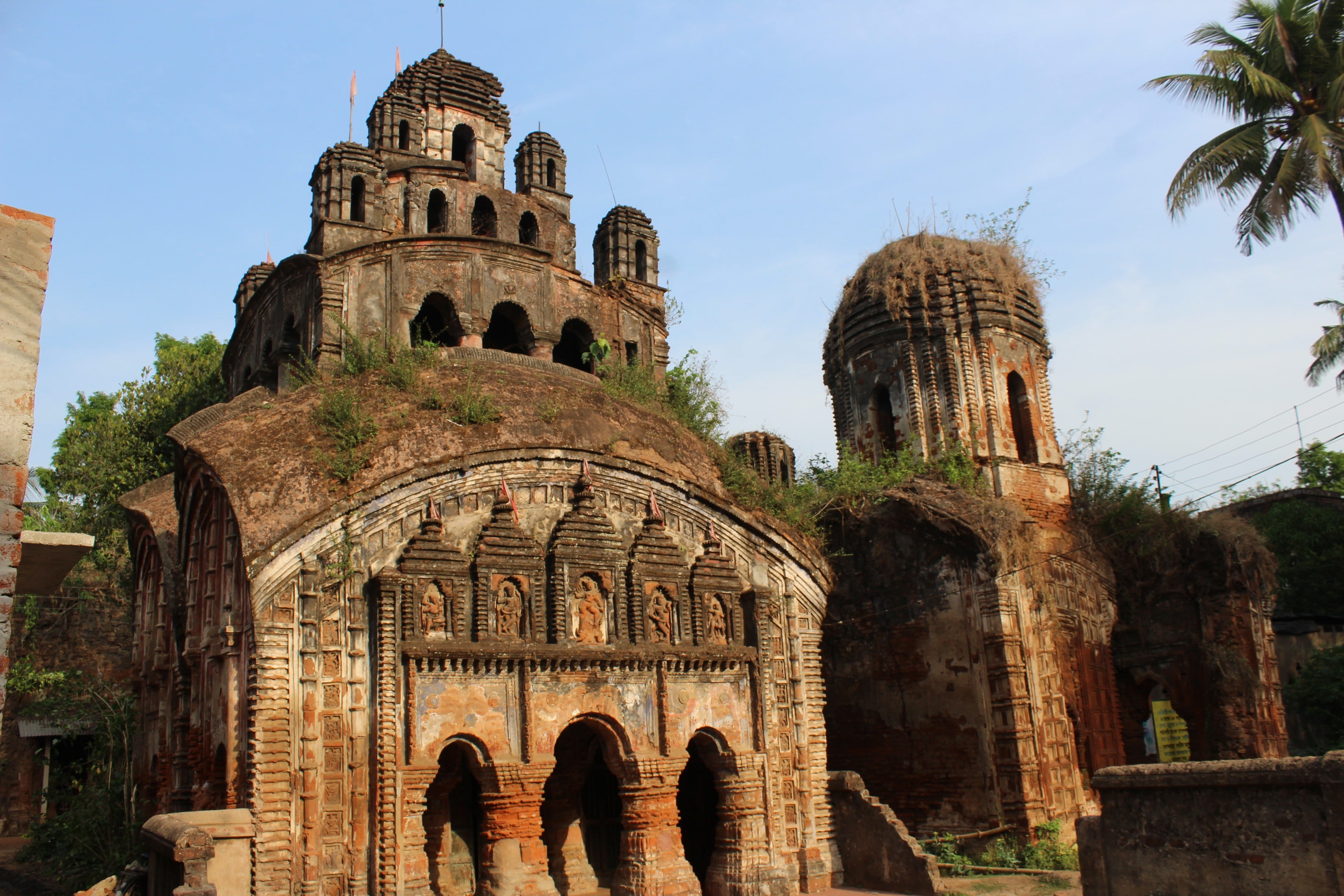
Hooghly is a treasure trove of cultural and historical attractions, drawing numerous tourists throughout the year. Among its prominent sites are the Hooghly Imambara, an architectural masterpiece and a significant religious landmark, and the Bandel Church (Basilica of the Holy Rosary), one of West Bengal's oldest churches, built by the Portuguese in 1599. Other notable historical sites include the Chinsurah Dutch Cemetery, a poignant reminder of the Dutch colonial era. Religious tourism is also significant, with the Mahesh Jagannath Temple renowned for its ancient Rathayatra (chariot festival), the Baba Taraknath Temple (Tarakeswarnath) dedicated to Lord Shiva, and the Kamarpukur Ramkrishna Math & Mission, the birthplace of Sri Ramakrishna Paramahamsa. The Chandannagar Museum provides insights into the French colonial history, while the Itachuna Rajbari offers a glimpse into Bengal's zamindari past. For those seeking natural beauty, Swabuj Dweep, an attractive green island, and the scenic Hooghly River banks provide ample opportunities for relaxation and sightseeing. Overall, Hooghly district beautifully encapsulates a rich historical legacy intertwined with ongoing development across its economic and social spheres.
Cultural Sights
Immerse yourself in the vibrant cultural landscape of West Bengal! Explore artistic hubs, heritage sites, and living traditions that showcase the region’s rich and diverse identity.